Tool Specs & SelectionPublished 2026-11-057 min read
Rotary Hammer vs Jackhammer: Terms, Energy Classes, Job Fit
LeoSourcing & OEM Specialist
Part of the Tool Specs & Selection series
Part of the Tool Specs & Selection series
How to read power tool spec sheets and choose the right series for your market
Ready-to-ship product series related to this article
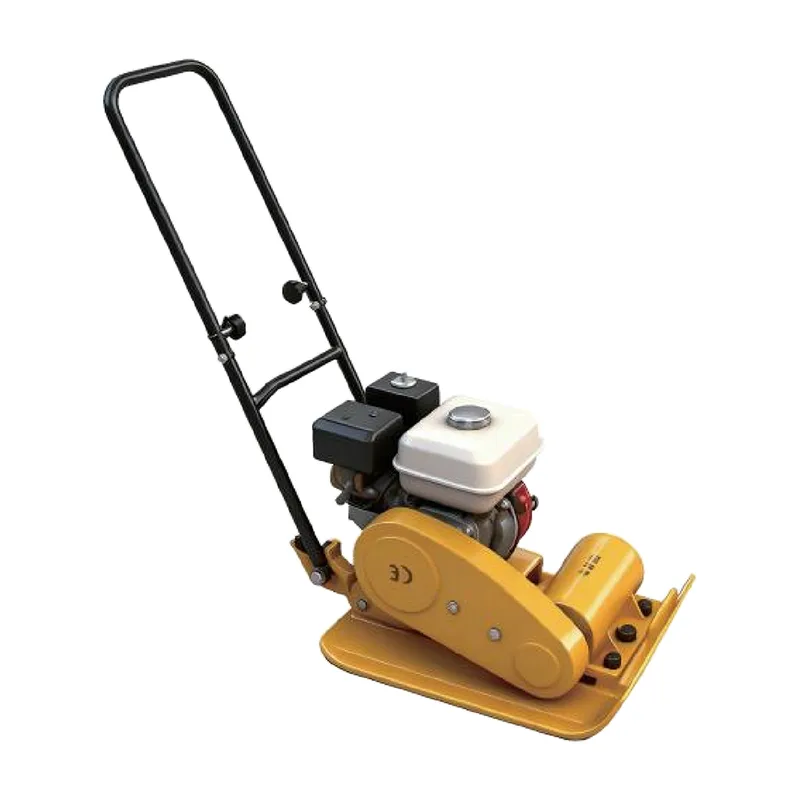
Plate compactor or road roller? A material-by-material decision matrix — sand, dirt, base, pavers, asphalt, trenches — plus the reversible-plate bridge class, so compaction importers stock both lines in the right ratio.
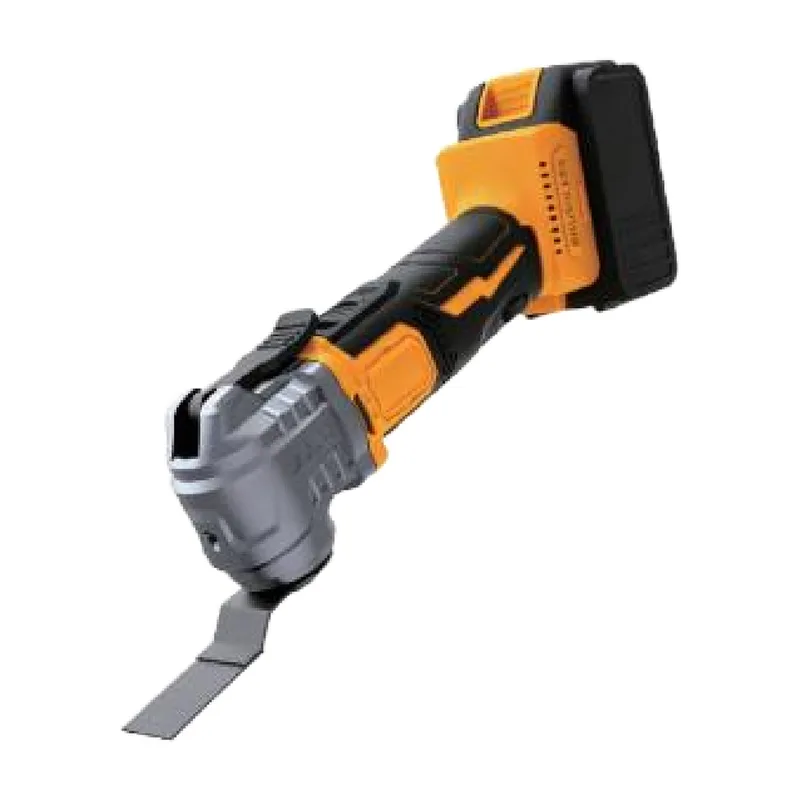
Corded or cordless SDS rotary hammer? Sustained output, battery platform strategy, kit economics and charger paperwork compared, for importers building the concrete-drilling line for installers and site crews.

Same battery platform, different job. The difference in mechanism, chuck, torque and fastening economics compared — plus what the "cordless impact drill" listing phrase really means — so importers stock the cordless mix their market buys.
"Jackhammer" is the word the public searches; "breaker" and "demolition hammer" are the words on the cartons. Your customers use all three for the same machine family — and they ask for it standing right beside the machine that looks like it but does the opposite job: the rotary hammer. One drills into concrete; the other takes concrete apart. An importer who stocks them as interchangeable collects warranty claims from both directions.
This guide decodes the terminology, lays out the energy ladder the whole concrete line climbs, and maps each machine to the teardown and drilling jobs that pay for it. The deep drill-side comparison — cam percussion versus electro-pneumatic, SDS-Plus versus SDS-Max — lives in our rotary hammer vs hammer drill guide, and the breaker-versus-driller assortment logic in demolition hammer vs rotary hammer; this page owns the jackhammer question itself.
Holes before fixtures: rotary hammer. Things apart: jackhammer (breaker). The rotary hammer is a drill that also chisels; the jackhammer is a chisel-only machine with no rotation and no chuck — it cannot drill a hole at all. Renovation-driven markets buy both, usually from the same supplier, in the same container.
| Term | What it names | Notes for the shelf |
|---|---|---|
| Jackhammer | The public word for a hand-held percussion breaker | Historically pneumatic; in trade listings today mostly electric |
| Demolition hammer / breaker | The same machine in catalogue language | The terms buyers type into your price list |
| Pavement breaker | The heavy end of the family — slab and asphalt work | Steel-holding class at 1-1/8 in (28.6 mm) hex; ships on carts at the top — the 68 lb head-brand reference includes its own Hammer Truck (DeWalt product specifications) |
| Chipping hammer | The light end — scaling, tile, screed, light chipping | Often SDS-Max tooling; the renovation ticket machine |
| Electric jackhammer | The self-contained version importers actually stock | Plug and break — no compressor, no air line |
The pneumatic-versus-electric fork is the one structural choice inside the family. The original jackhammer runs on compressed air and still wins in quarries, shipyards and utility yards where compressors already live. Every other market — construction, renovation, hardware retail — runs on electric breakers: self-contained, serviceable by any motor workshop, and shippable in the same container as the rest of a tool programme.
The concrete line is one ladder, and impact energy in joules is how you read it (classes per head-brand product specifications, DeWalt):
| Rung | Machine class | Typical impact energy | Typical weight | The job it owns |
|---|---|---|---|---|
| 1 | SDS-Plus rotary hammer | roughly 1.4–3.0 J | 2.5–4 kg | Anchor and fixing holes, tile and plaster chiselling |
| 2 | SDS-Max combination hammer | 6.1–19.4 J | 6–10 kg | Big-hole drilling plus rated wall and floor chipping |
| 3 | Demolition breaker | about 40 J class (41 lb / 19 kg reference at 40 J, 1-1/8 in hex) | 15–20 kg | Floor trenching, stairs, asphalt, hard-packed ground in confined spaces |
| 4 | Pavement breaker | top of the family | 30 kg class | Slabs, foundations, road surfaces |
Two rules make the ladder commercial. Never sell a rung for the job below its pay grade: a light breaker on slab work takes three times longer, and time is what your customer bills. And the rung pulls its steel: hex or SDS-Max chisels — points, flats, spades, bushing tools — are the reorder business behind every machine; a breaker sold bare is margin left behind.
| Dimension | Rotary hammer | Jackhammer (breaker) |
|---|---|---|
| Rotation | Yes — 3 modes (rotate, rotate+hammer, chisel) | None, by design |
| Drilling | Production concrete drilling | Cannot drill — no chuck, no spin |
| Blow energy | 1.4–19.4 J across the classes | Roughly 12–25 J renovation classes; 40 J demolition class |
| Tool holding | SDS-Plus / SDS-Max bits and chisels | Hex (17 / 21 mm, 1-1/8 in) or SDS-Max steel |
| Weight class | 2.5–10 kg | 5–30 kg |
| Accessories | Drill bits, core cutters, chisels | Points, flat and spade chisels, bushing tools, scrapers |
| Typical buyer | Installers, electricians, site crews | Renovation and demolition contractors, municipalities |
| Position in catalogue | The volume line | The specialist, higher-ticket line |
The full "which one for which customer" logic — including the rental-fleet split — is walked through in demolition hammer vs rotary hammer uses; the table above is the jackhammer-questions version of it.
| The job on the ticket | Right machine |
|---|---|
| Anchor holes, bracket fixing, socket boxes | Rotary hammer, SDS-Plus |
| Tile, screed and plaster removal, all day | Chipping hammer / light breaker |
| Chasing channels, opening door and window sections | Mid breaker or 3-mode rotary hammer in chisel mode |
| Floor trenching for pipe, breaking stairs and shaft openings | Demolition breaker, 40 J class |
| Asphalt patching and breaking, confined-space ground work | Demolition breaker with point and flat steel |
| Slab and foundation removal, road surfaces | Pavement breaker, top weight class |
The working assortment for most markets: an SDS-Plus rotary hammer line for the drilling volume, one or two breaker SKUs from the 12–25 J renovation band, a heavy SKU for slab markets, and a chisel rail beside them. Our demolition breaker line (AD-25237 to AD-25245, chisel sets bundled) and the SDS rotary hammer range are built to be stocked as that pair, under the same power tools programme, with OEM housing colors, kit configuration, packaging and labeling, factory spec sheets on every model, and samples before volume. Tell me the drilling-to-teardown ratio in your market, and I will propose the split — the machines, the steel, and the container plan they ride in.