Tool Specs & Selection2026-09-227 min read
Rotary Hammer vs Hammer Drill: SDS-Plus, SDS-Max Explained
AmperTool Sourcing TeamSourcing & OEM Team
Part of the Tool Specs & Selection series
Part of the Tool Specs & Selection series
How to read power tool spec sheets and choose the right series for your market
Ready-to-ship product series related to this article
Joules, blow rate, concrete diameter class, chisel modes: every rotary hammer spec number explained, and how to match machines to trades.
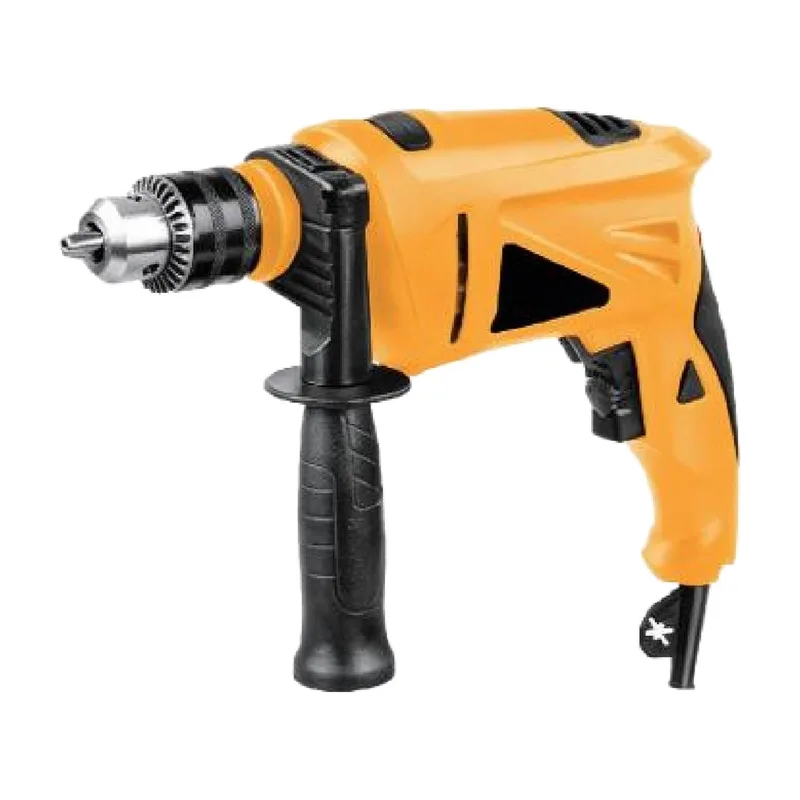
Corded impact drill or cordless driver? Power, masonry ability, runtime economics and battery lock-in compared, to stock the drill mix your market buys.
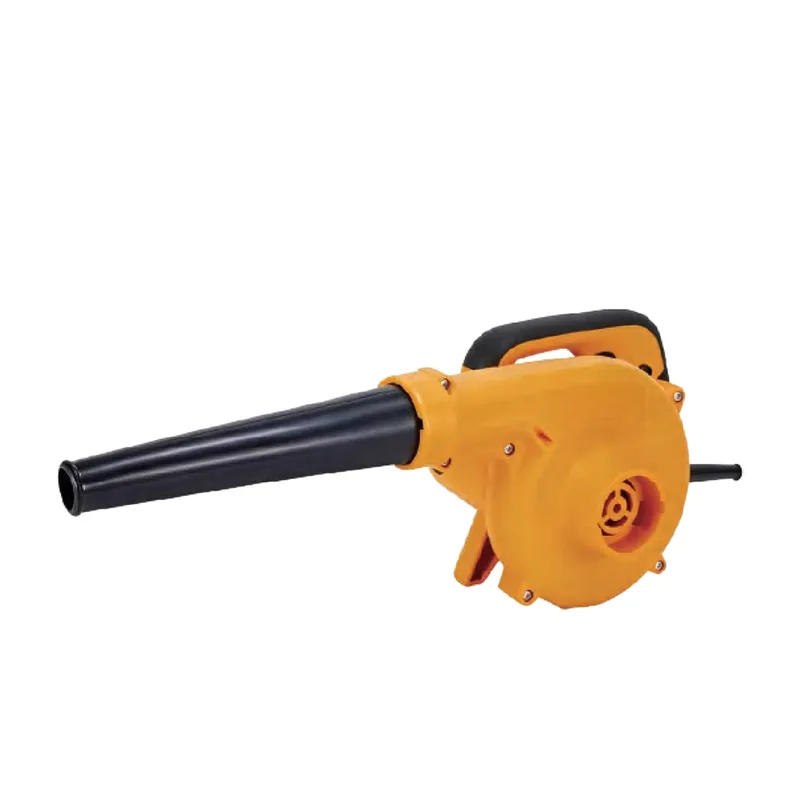
Demolition hammer or rotary hammer? The breaker and the drill separated: energy, shanks and duty compared, mapped to the jobs that pay for them.
"Rotary hammer" and "hammer drill" are used interchangeably on half the product listings your customers see — and they should not be. The confusion is expensive: buyers who drill concrete for a living buy the wrong machine, and distributors end up with a shelf of returned hammer drills that were asked to do a rotary hammer's job.
Search behaviour shows the category is active and technical: "sds rotary hammer" interest is up about 30% year over year, "sds plus rotary hammer" about 60%, "sds max rotary hammer" about 50%, and "cordless rotary hammer" about 80% (Google Trends, worldwide, retrieved 2026-09-17). Buyers are researching mechanisms, not just brands. This guide gives you the mechanics, the comparison, and the assortment logic.
A hammer drill is a versatile drill that can tap its way through masonry; a rotary hammer is a dedicated concrete machine that pulverises as it turns. For a catalogue, that translates to: hammer drill (typically as a corded impact drill) for the one-machine household/light-trades buyer; SDS-Plus rotary hammer for installers and construction crews; SDS-Max only for demolition-heavy customers.
| Dimension | Hammer drill | Rotary hammer (SDS) |
|---|---|---|
| Percussion mechanism | Cam-type tapping | Electro-pneumatic piston |
| Blow energy | Low | Multiple times higher |
| Concrete capability | Light, small diameters | Production drilling |
| Operator force needed | High (you push) | Minimal (machine works) |
| Modes | Drill, drill+hammer | Rotation only, rotation+hammer, chisel |
| Tool holding | Regular chuck (round shank bits) | SDS-Plus / SDS-Max slotted shanks |
| Wood and steel drilling | Yes — it is still a drill | Rotation-only mode, with chuck adaptor |
| Best buyer | Household, maintenance, light trades | Installers, electricians, site crews |
| Typical price point | Lower | Higher |
The SDS system is the rotary hammer's tool interface — slotted shanks that lock into the chuck and float axially so the piston can hammer them freely:
Bit commonality matters commercially: a buyer commits to a shank system across his whole tool inventory, so the machine you sell him pulls the bits, chisels and consumables he will reorder.
Choose the hammer drill when the buyer:
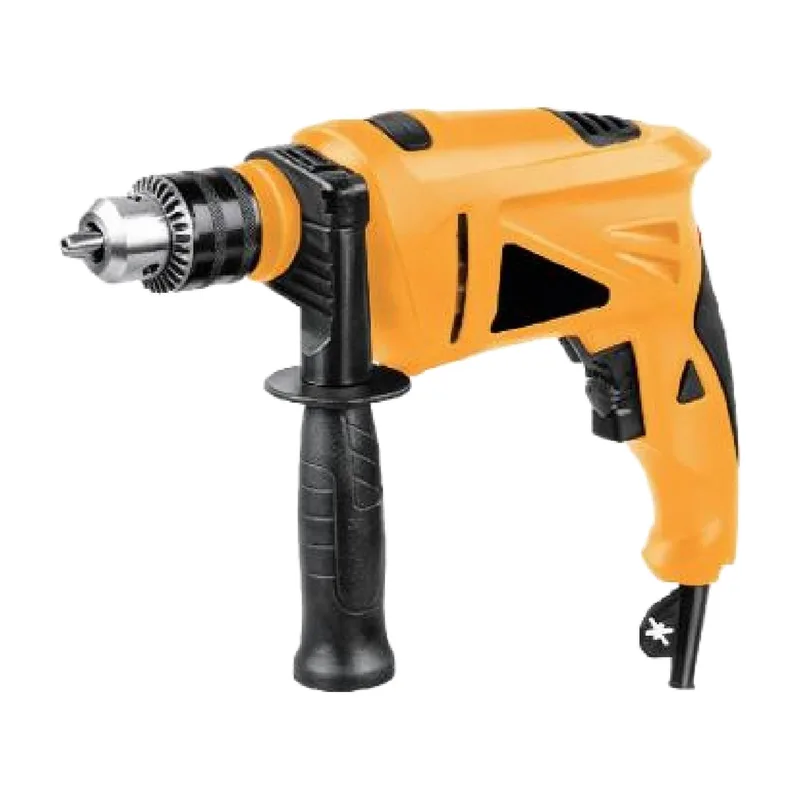
Our corded impact drill line (220–240 V, auxiliary handles) is exactly this machine: a working drill first, with a hammer function for the times it meets a wall.
Choose the rotary hammer when the buyer:
The SDS-Plus rotary hammer range (AD-25057 to AD-25088) covers drill-and-chisel machines built for this duty cycle.
Escalate to SDS-Max demolition tools when the work becomes teardown rather than drilling — our demolition breaker line covers that step.
For most developing-market catalogues, the working pair is: one or two impact drill SKUs at accessible price points, a three-to-five deep SDS-Plus rotary hammer line, and a consumables rail of SDS bits and chisels beside them. The two lines explain each other on the shelf — "drill everything occasionally" next to "concrete every day" — and cover both buyer intents under one power tools category. Both lines are available to us under OEM terms with housing colors, kit configuration, packaging and labeling, samples and factory spec sheets before volume. Tell us which trades dominate your market — installation crews, general construction or household retail — and we will propose the depth and spread.