Tool Specs & SelectionPublished 2026-11-057 min read
Plate Compactor vs Road Roller: Which Machine for the Job?
LeoSourcing & OEM Specialist
Part of the Tool Specs & Selection series
Part of the Tool Specs & Selection series
How to read power tool spec sheets and choose the right series for your market
Ready-to-ship product series related to this article
Jackhammer, breaker, demolition hammer, chipping hammer — the terms decoded, the impact-energy ladder from SDS-Plus to 40 J breakers, and which machine each teardown job needs, for importers stocking both lines.
Corded or cordless SDS rotary hammer? Sustained output, battery platform strategy, kit economics and charger paperwork compared, for importers building the concrete-drilling line for installers and site crews.

Same battery platform, different job. The difference in mechanism, chuck, torque and fastening economics compared — plus what the "cordless impact drill" listing phrase really means — so importers stock the cordless mix their market buys.
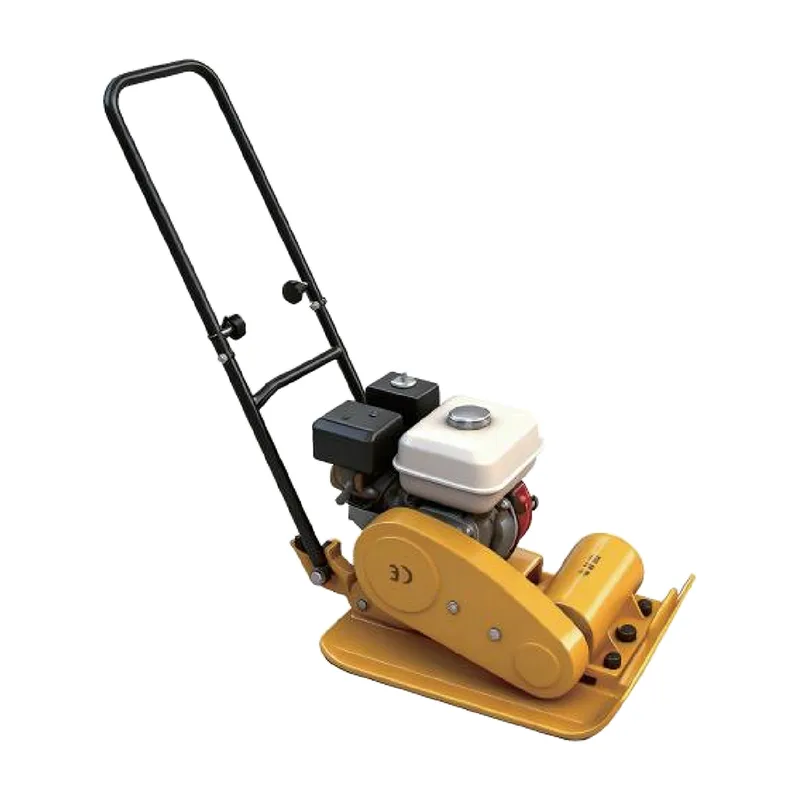
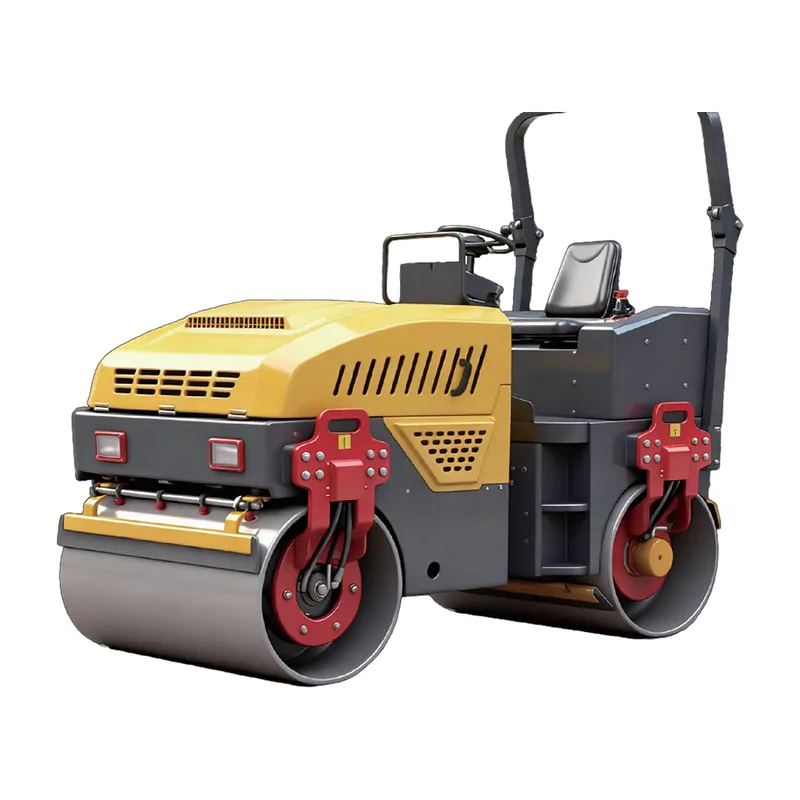
The compaction shelf holds two machines that look like competitors and are not. A plate compactor drives vibration through a base plate that travels with the operator; a walk-behind road roller carries its mass on steel drums and compacts as it drives. Contractors buy both, in the same container, and the boundary between them is physics, not marketing: the material, the area and the layer decide the machine.
Buyers, however, search by material and job — "sand compactor", "dirt compactor", "asphalt compactor", "paving compactor", "road compactor" — and that is the decision this guide runs. The full spec-sheet walk-throughs live in the plate compactor buying guide and the walk-behind roller compactor guide; this page is the head-to-head and the material matrix.
Confined spots, edges and pavers: plate. Full-width layers and bituminous courses: roller. Sell the two as one compaction programme — plates own the trench and the finish, rollers own the road — and the assortment explains itself on the shelf.
| Dimension | Plate compactor | Walk-behind road roller |
|---|---|---|
| Working element | Vibrating base plate, operator walks behind | Steel drum(s), self-propelled |
| Home ground | Trenches, edges, paver bedding, patches, backfill | Full-width granular layers, asphalt courses, surface finishing |
| Lift capability | Roughly 100–300 mm granular lifts | Full base layers rising with the weight class (under 1 t to 3–5 t) |
| Output driver | Plate area and passes; operator pace | Drum width and controlled travel speed |
| Asphalt | Thin patches and edges (with mat) | The designed machine — drums plus water system |
| Working width | Plate sizes, tens of centimetres | Roughly 400–900 mm drum widths across the classes |
| Excitation class | Forward plates to about 15 kN class (Wacker Neuson WP1550 series, 84–88 kg, about 15 kN; retrieved 2026-10-17) | Roughly 10–40 kN rising with machine class |
| Logistics | Cartons; the light line of the shelf | Crates, shipping weights, forklift pockets — the dense line of the container |
| Price position | Accessible volume line | Higher ticket, road-class escalation (reference band roughly USD 1,000–3,500 FOB across walk-behind tiers, supplier reference ranges, retrieved 2026-09-27) |
The matrix your sales counter actually needs — material by material, job by job:
| Material / job | Right machine | Why |
|---|---|---|
| Sand in trench backfill, around pipes and foundations | Plate | Granular material in confined geometry — the plate's home ground on 100–300 mm lifts |
| Sand across a large backfill or sub-base area | Vibratory roller | Same material, area output: a drum covers in a few passes what a plate covers in many |
| Dirt and gravel, driveway and path base | Plate (small jobs) → roller (area work) | Granular lifts compact well by plate; width and acceptance push to the drum |
| Crushed-stone base course on roads | Roller, 1–3 t class | Full-width layers and lane-wide density acceptance |
| Interlocking pavers on bedding sand | Plate with paver mat; reversible plate class | Vibration settles pavers; reversible plates rated for medium and heavy interlocking at about 69 Hz (Wacker Neuson DPU4545H spec sheet) |
| Asphalt patching, ramps, edges | Plate with mat | Thin-work geometry; plates knead small repairs |
| Asphalt courses and overlays | Double-drum roller with water system | Courses are rolled smooth; water keeps hot bitumen off the steel |
| Trench-surface reinstatement strips | Under-1 t roller, narrow drum; plate inside the trench | The roller finishes the strip, the plate does the trench — one programme, both machines |
Between the walk-behind plate and the walk-behind roller sits the machine that buys plate access with roller-class productivity: the reversible vibratory plate. Its excitation system drives it forward and in reverse, so it works a lift back and forth without turning — and the head-brand medium-weight class pairs high centrifugal force with fast two-direction travel for frost layers and subbases in street, path and parking-lot construction, backfilling around buildings, and compaction over medium and heavy interlocking paving stones (Wacker Neuson DPU4545H spec sheet, retrieved 2026-10-17). When a market's jobs are too wide for a forward plate but not yet road-scale, the reversible plate is the honest middle of the assortment.
When quotations arrive, compare plates and rollers on the fields that move density:
The compaction assortment that serves developing markets is a ratio, not a choice: a plate compactor line for the trench, paver and patch volume; a walk-behind road roller line — one under-1 t tandem for sidewalks and reinstatement, one 1–3 t class for road base and asphalt — for the road tickets; and the compaction equipment programme ships them together, consolidating with generators and water pumps in mixed containers. Tell me your market's mix — how much trench and paver work against how much road maintenance — and I will propose the plate-to-roller ratio, the spec fields to demand on each quotation, and the loading plan for the first container.