Tool Specs & SelectionPublished 2026-11-057 min read
Corded vs Cordless SDS Rotary Hammer: Which to Stock?
LeoSourcing & OEM Specialist
Part of the Tool Specs & Selection series
Part of the Tool Specs & Selection series
How to read power tool spec sheets and choose the right series for your market
Ready-to-ship product series related to this article
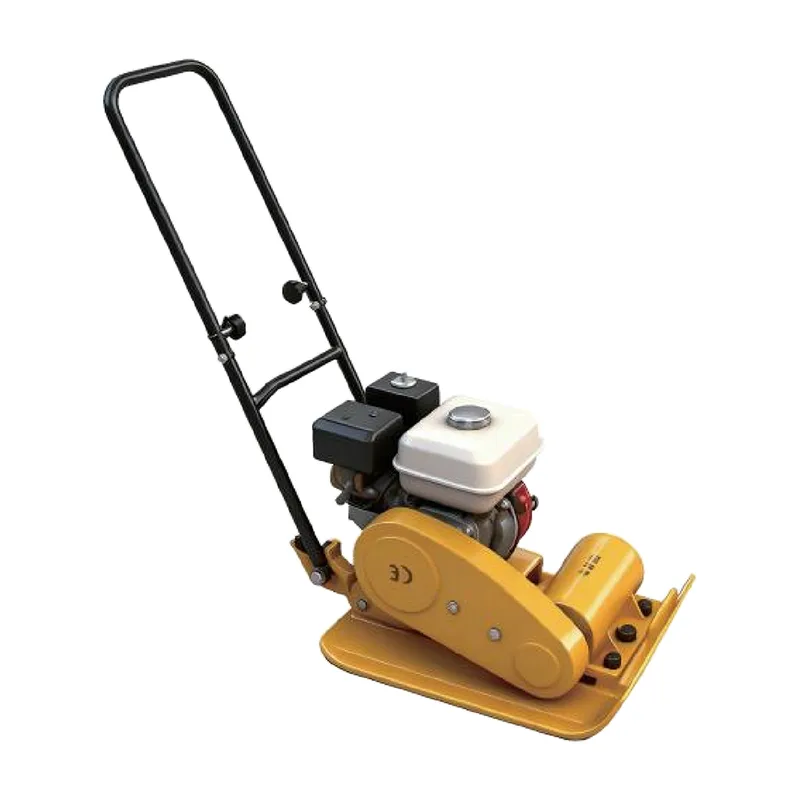
Plate compactor or road roller? A material-by-material decision matrix — sand, dirt, base, pavers, asphalt, trenches — plus the reversible-plate bridge class, so compaction importers stock both lines in the right ratio.
Jackhammer, breaker, demolition hammer, chipping hammer — the terms decoded, the impact-energy ladder from SDS-Plus to 40 J breakers, and which machine each teardown job needs, for importers stocking both lines.

Same battery platform, different job. The difference in mechanism, chuck, torque and fastening economics compared — plus what the "cordless impact drill" listing phrase really means — so importers stock the cordless mix their market buys.
Search interest says the concrete line is going cordless: "cordless rotary hammer" queries are up about 80% year over year, against roughly 30–60% for the SDS classes generally (Google Trends, worldwide, retrieved 2026-09-17). The head brand has already named the pitch — "power of corded, freedom of cordless" — and your customers are now asking the question at the counter: corded or cordless SDS, for the same anchor holes.
For an importer the answer is rarely one machine. It is a platform decision, a kit-economics decision, and a paperwork decision — this guide walks all three, then maps them to the buyer tickets that pay. The machine-class background — what an SDS rotary hammer is against a hammer drill — is covered in our rotary hammer vs hammer drill guide.
Bursts and access: cordless. Volume and uptime: corded. A modern cordless SDS delivers corded-class blows for the installer working in finished interiors, on scaffolds and away from power; the corded machine wins the production wall of holes and the rental counter. Most catalogues carry both, on a shared battery platform for everything else the customer owns.
| Dimension | Corded SDS rotary hammer | Cordless SDS rotary hammer |
|---|---|---|
| Sustained output | No swap rhythm, no charge calendar — built for all-day drilling | Corded-class in bursts; battery swap sets the rhythm |
| Power source | The outlet — unlimited runtime where power exists | Battery platform — runtime is a capital decision (Ah classes, pack count) |
| Site access | Cable and outlet depend on the site | Scaffolding, interiors, roofs, occupied buildings — no cable |
| Weight | Machine only | Machine plus battery mass; brushless motors and compact packs offset some of it |
| Price structure | Machine, case, side handle, depth stop — simple | Tool only / kit with batteries and charger — configuration is the cost lever |
| Fleet logic | Independent machines | One battery family across the whole cordless shelf — the platform is the product |
| Certification content | Machine paperwork | Machine paperwork plus charger content on destination-market lists (G-Mark List 2 among them) |
| Rental position | The staple — any outlet, nothing goes missing | Strong where the counter already rents the battery platform |
| Typical buyer | Production installers, rental, price-sensitive markets | Finishing trades, interior crews, platform-locked fleets |
The single most important cordless fact for an importer: the buyer is not purchasing a rotary hammer; he is joining a battery platform. Batteries and chargers are the recurring capital — they fail, age, walk off sites and get reordered — and a platform shared across drill, driver, grinder and rotary hammer amortizes that capital across the whole shelf. The head-brand benchmark takes the logic to its ceiling: a dual-voltage battery family that switches between 20V MAX and 60V MAX depending on the tool it is clicked into, compatible with several hundred tools in the system (DeWalt FLEXVOLT specifications; nominal 54 V, 60 V maximum initial, per the manufacturer). A 1-1/4 in brushless cordless SDS-Plus rotary hammer kit is the reference machine for what that platform does to concrete (DeWalt DCH416X2 product specifications).
For OEM kit configuration, this translates into concrete choices — how many batteries per kit, which Ah classes, whether the charger ships in the box, and how the SKU list splits between full kits and bare tools for platform owners. The same configuration logic we walk in wholesale tool set configurations applies to the SDS line: the kit contents are the margin structure.
Our corded line — the SDS rotary hammer range (AD-25057 to AD-25088) and the corded impact drills beside it — is built exactly for these channels: outlet-powered, spec-sheet-honest, OEM-configurable.
| What ships in the box | What it decides |
|---|---|
| Tool, 2 batteries, fast charger (full kit) | Out-of-the-box runtime; the retail ticket |
| Tool, 1 battery, charger (entry kit) | Entry price; runtime the customer tops up later |
| Bare tool (no battery, no charger) | Platform-owner pricing; the reorder-friendly SKU |
| Battery Ah class | Runtime per charge versus weight and price — the spec-sheet line buyers compare first |
| Charger included | Destination-market electrical paperwork rides with the kit |
The assortment that answers the counter question: a corded SDS-Plus line for the production and rental volume, a cordless SDS class for the finishing and platform tickets, and the battery shelf behind both — under the same power tools programme, with OEM housing colors, kit configuration, packaging and labeling, factory spec sheets per model and samples before volume. Tell me the split in your market — how much production drilling against how much interior and finishing work, and which voltage families your customers already run — and I will propose the corded-to-cordless ratio, the kit configurations per SKU, and the paperwork plan for the chargers in the boxes.