Tool Specs & Selection2026-09-258 min read
Power Tool Sets Wholesale: Kit Configs from 108 to 146
AmperTool Sourcing TeamSourcing & OEM Team
Part of the Tool Specs & Selection series
Part of the Tool Specs & Selection series
How to read power tool spec sheets and choose the right series for your market
Ready-to-ship product series related to this article
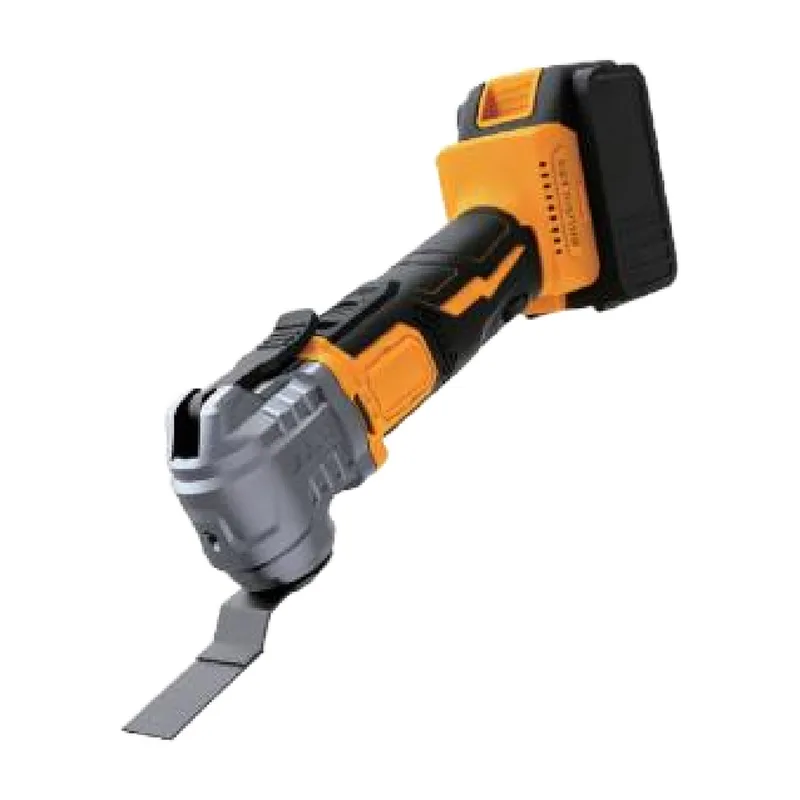
Joules, blow rate, concrete diameter class, chisel modes: every rotary hammer spec number explained, and how to match machines to trades.
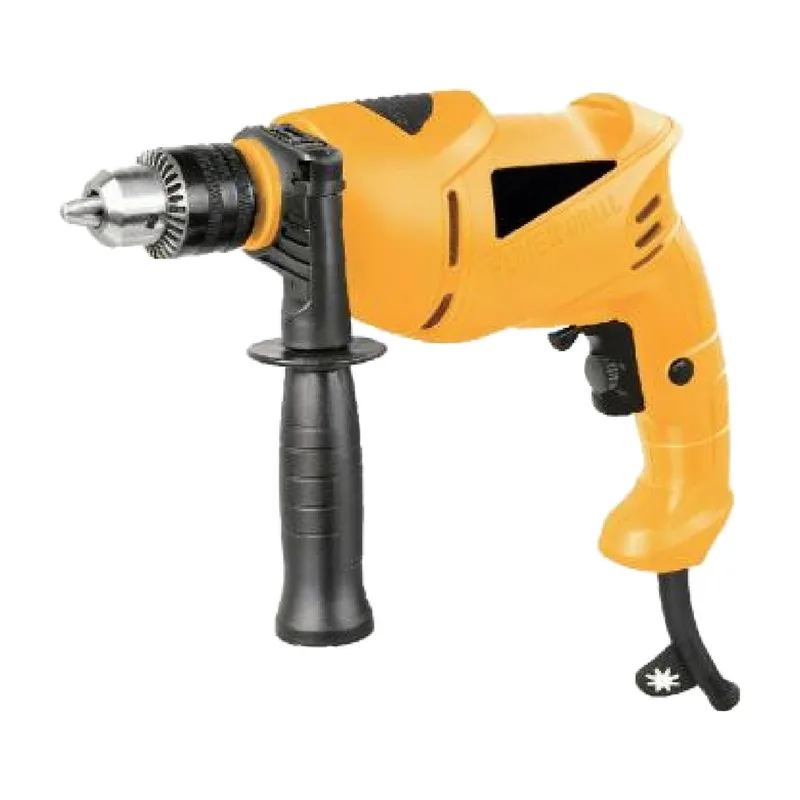
Watts, chuck size, impact rate, set contents: every field on a corded impact drill sheet explained for household, trade and set buyers.
Rotary hammer or hammer drill? Mechanisms, SDS-Plus vs SDS-Max tooling and concrete duty compared, so importers stock the right drill line.
The tool set is how the developing-market hardware shelf actually sells: one box, one price, everything visible. Search behaviour says the same — "cordless drill set" is the single highest-interest drill query in a year of worldwide data, up roughly 250% (Google Trends, worldwide, retrieved 2026-09-17), while "impact drill set" holds steady, sizeable volume. Buyers who cannot compare motors compare contents, and the piece count on the lid is the first spec they read.
For importers, that makes the tool set a merchandising decision before it is an engineering one. This guide walks the piece-count ladder from 108 to 146, shows what physically changes between configurations, and gives the quality checkpoints that decide whether a wholesale set order holds its shelf or comes back as returns.
Three buyers, three different sets:
| Buyer | What they need the set to do |
|---|---|
| Household retail / DIY shelf | One-box answer for occasional fixing; price-forward, contents visible |
| Gifting and promotion seasons | The statement box — maximum perceived completeness under a gift lid |
| Distributors building a house brand | Entry assortment under their own label; consistent contents across repeat orders |
The same factory line serves all three; what changes is configuration, case printing and — often most of all — which layer of the kit carries the value.
Our set line runs from 108-piece household configurations up to 146-piece full kits, with 112- and 113-piece variants between. The counterintuitive part of the ladder: as the count climbs, the core tools barely change — the accessory layer grows.
Below the 100-piece line, the same factories build the compact formats you see anchored in the socket-set catalog — 38-piece cordless drill sets, 59-piece toolbox sets, 93-piece socket tool sets — which retail as single-task organizers rather than household kits. Useful category, different job.
Every serious set, from 38 to 146 pieces, stacks the same four layers. Reading a set layer by layer is faster than auditing 146 loose items:
On a well-built set, the contents list is the QC document. Before a wholesale order:
| Channel | Recommended configuration | Why |
|---|---|---|
| Household retail shelf | 108-piece entry kit | Credible completeness at the sharpest price; volume SKU |
| Gifting season | 146-piece statement kit, printed contents lid | Perceived completeness sells before opening |
| Promotion / channel packs | 112–113 piece tuned config, custom housing color | Piece-count flexibility at a controlled price point |
| House-brand entry assortment | 108-piece + one core tool platform, own labeling | Consistent repeat contents under your brand |
Two honest notes from the cordless question that runs through all set research: cordless set searches are growing fastest, but in markets where replacement batteries are hard to source, corded-plus-kit still delivers more usable performance per dollar. The strongest shelves we see run both — a corded set as the volume SKU (the cordless drill line and corded platforms sit in the same programme), and a compact cordless set as the aspirational neighbour.
Tool sets are one of the most seasonal trades in hardware. The statement boxes sell in gifting waves — Eid, Diwali, Christmas, New Year household refreshes — while entry kits tick along the repair seasons that follow weather and school calendars. Promotion channels add their own rhythm: retail events, store openings, loyalty programmes.
Plan the calendar backwards from the shelf date. Production for a confirmed, configured order typically runs 30–45 days — but that clock starts only after artwork and contents approval, which itself follows sampling. In front of production: sampling and artwork rounds; behind it: ocean transit, destination customs and, where your market requires it, certification processing before the goods can sell. A gifting-season programme therefore needs its order confirmed comfortably a season ahead, and the 146-piece kit you want on shelves for the December peak is a conversation you have in the summer.
One structural relief: because the piece-count variants share platforms, cases and packing lines, repeat orders and configuration tweaks move faster than first orders. The expensive first time is the artwork and the approved contents list — after that, the ladder runs on rails.
The cheapest moment to make a set retail-ready is at the factory, not in your warehouse. Specify at order confirmation:
Sets that arrive without these are not cheaper; they are unfinished. The factory applies labeling at line speed — your warehouse applies it at your cost.
Tool sets are the most customization-friendly format in the power tool trade, because the variable surface is large and the tooling barrier is low. Standard OEM scope on sets:
That scope is the entry point to the wider custom-brand programme — the full path from RFQ to loading is covered in our OEM power tools manufacturing guide.
The working entry for most set importers: one 108-piece configuration as the anchor SKU, one gifting-season 146-piece kit ordered seasonally, and a tuned 112–113 piece config if a promotion channel justifies it. MOQ is negotiated per model and order volume — and because the piece-count variants share platforms and packing lines, mixed configurations in one order are welcome, which keeps the entry quantity low while you learn which ladder rung your market actually buys.
Production for configured sets typically runs 30–45 days, with samples arranged before the bulk order so the contents list you approved is the contents list that ships. Tell us the channels you serve and the price ladder you are building — the power tools programme will propose the exact configurations.