Tool Specs & Selection2026-09-229 min read
Rotary Hammer Buying Guide: SDS-Plus, SDS-Max & Specs
AmperTool Sourcing TeamSourcing & OEM Team
Part of the Tool Specs & Selection series
Part of the Tool Specs & Selection series
How to read power tool spec sheets and choose the right series for your market
Ready-to-ship product series related to this article
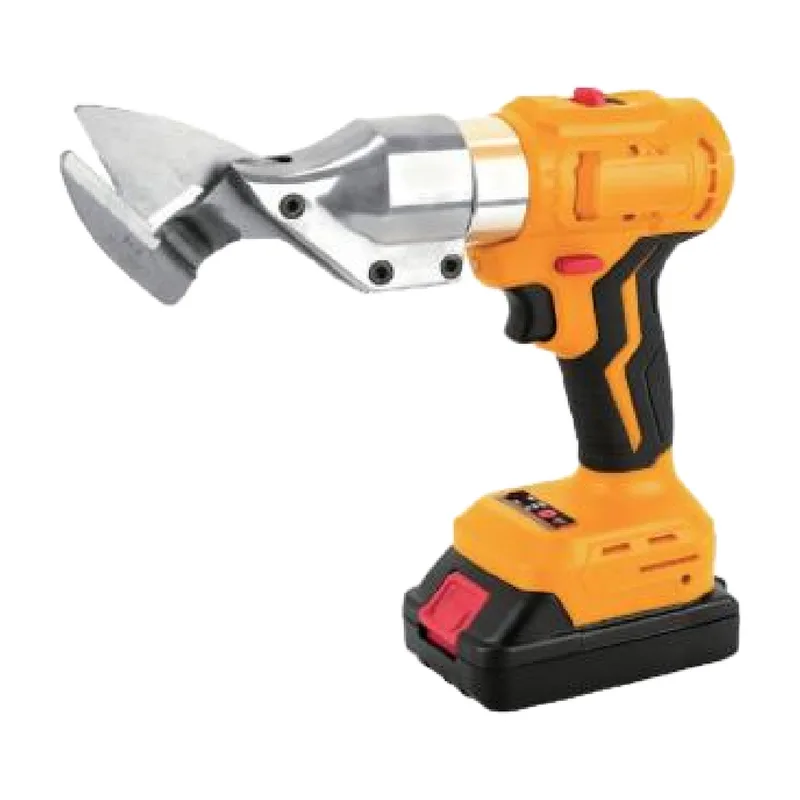
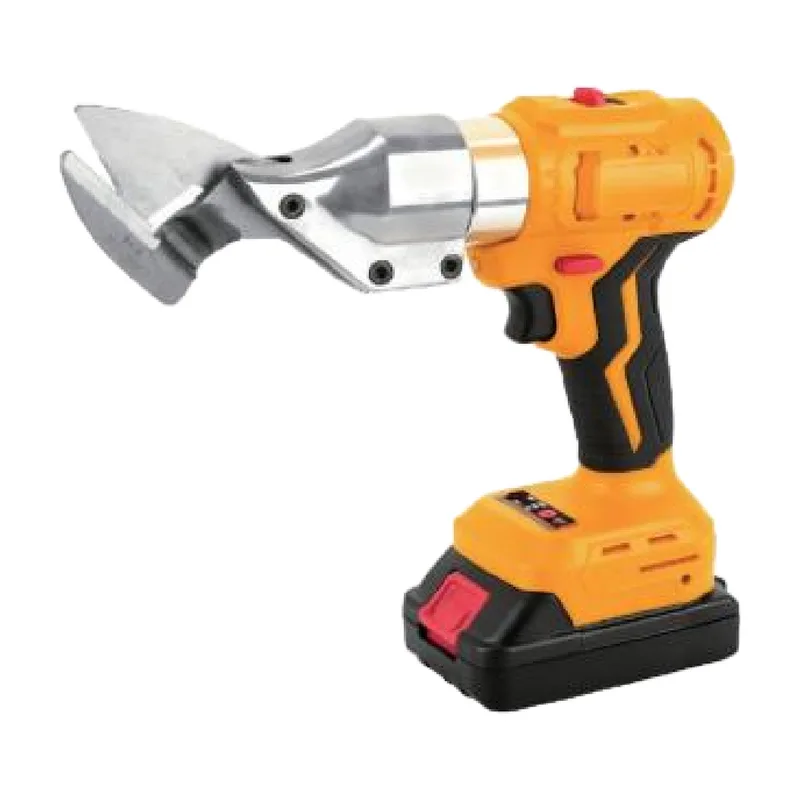
Rotary hammer or hammer drill? Mechanisms, SDS-Plus vs SDS-Max tooling and concrete duty compared, so importers stock the right drill line.
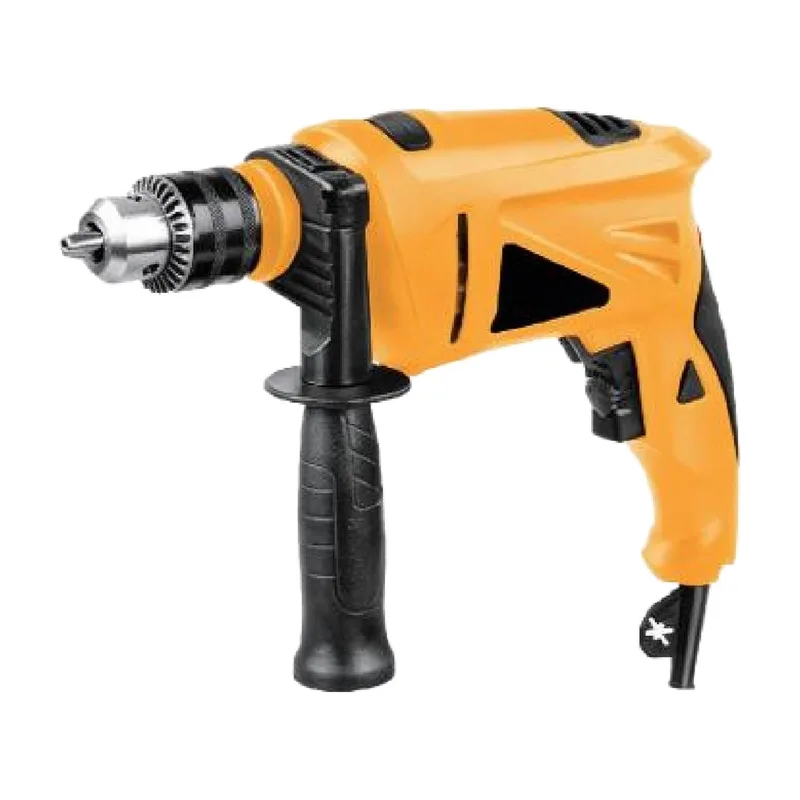
Corded impact drill or cordless driver? Power, masonry ability, runtime economics and battery lock-in compared, to stock the drill mix your market buys.
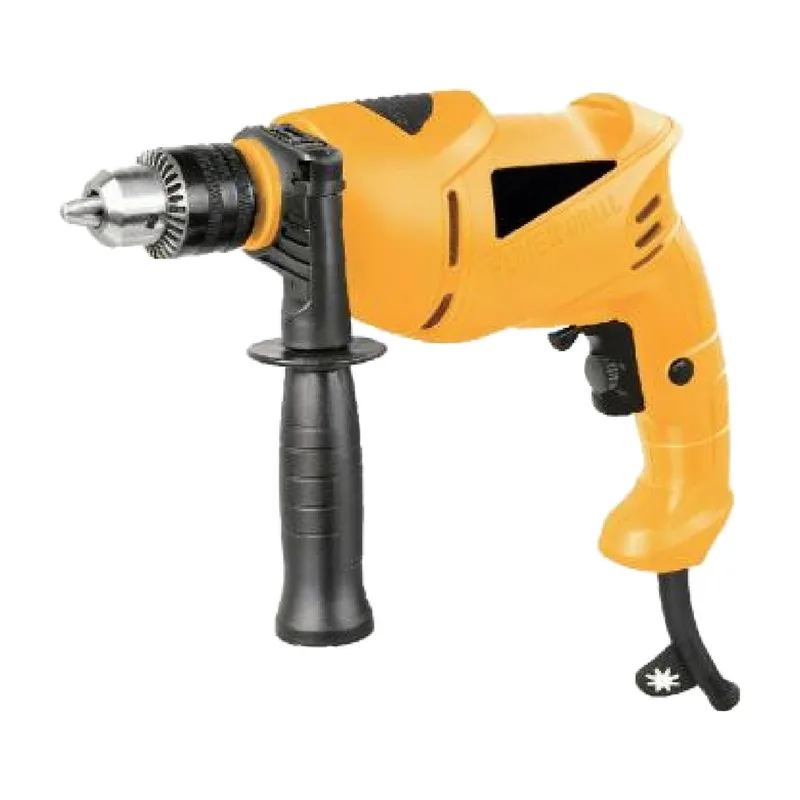
Watts, chuck size, impact rate, set contents: every field on a corded impact drill sheet explained for household, trade and set buyers.
The rotary hammer is the machine that earns its keep on concrete. Interest in the category keeps climbing on the technical side of search: "sds rotary hammer" up about 30% year over year, "sds plus rotary hammer" about 60%, "sds max rotary hammer" about 50%, and "cordless rotary hammer" about 80% (Google Trends, worldwide, retrieved 2026-09-17). Those are specification-driven queries — buyers comparing shank systems and classes, not browsing brands.
That makes the rotary hammer a spec-sheet product: the numbers on the sheet decide whether the machine suits the trade buying it. This guide walks through each number, what it means under load, and how to assemble a range around the trades in your market.
Input watts tell you what the motor draws; joules tell you what the piston delivers. Two machines can both say "800 W" and differ by half in actual blow energy. When comparing models, joules first, watts second.
| Impact energy class | What it does |
|---|---|
| 1.5–3 J | Fixings, light anchor holes, occasional concrete |
| 3–5 J | Daily installer drilling — the volume class |
| 5 J and up | Heavy anchors, long sessions, breaking work |
(Treat these as industry-typical classes; the exact figure is on each model's spec sheet.)
Spec sheets quote maximum drilling diameter in concrete — often two figures: with a solid bit, and with a core cutter.
For a general-purpose range, mid-20s mm class with a strong joule rating is the volume position; put one heavier class above it for contractors.
In renovation-heavy markets (much of Central Asia's construction season work), 3-mode capability sells itself; demonstrate it on the counter with a pointed chisel.
Two features separate working machines from warranty claims:
The cordless trend (+80% YoY) is real, driven by scaffold work and renovation where cords trip and drag. The economics for your buyers: corded 220–240 V machines cost less per unit of joule, never pause for a battery, and run all day off mains or site generators — which most developing-market sites already have (see our guide to site power equipment for how crews power tools where the grid ends). Cordless wins on mobility, but each platform locks the buyer into batteries across his fleet.
A pragmatic range: lead with corded machines; let cordless demand prove itself in your channel before you commit battery-platform SKUs.
File these fields per model before it goes in a container:
| Trade | Recommended class |
|---|---|
| Electricians | Mid-20s mm, 3–4 J, 3-mode |
| Plumbers / HVAC | Mid-to-high 20s mm, 3-mode with chisels |
| General contractors | One mid class + one heavy class |
| Renovation crews | 3-mode with chisel set emphasis |
| Household retail | Impact drill instead — see our rotary hammer vs hammer drill comparison |
The working assortment for most markets: a compact SDS-Plus line three to five SKUs deep — one accessible 2-mode model for price points, two or three 3-mode machines in the volume joule class, one heavier model for contractors — plus a consumables rail of SDS-Plus bits, pointed and flat chisels, and grease. The full rotary hammer range (AD-25057 to AD-25088) ships with factory spec sheets listing every field above, under OEM terms: housing colors, kit configuration, packaging and labeling, with samples before volume. Tell us the trades your catalogue serves and the concrete classes they drill, and we will match the range accordingly.