OEM Import Playbook2026-09-2511 min read
OEM Power Tools: Complete Guide to Custom Manufacturing
AmperTool Sourcing TeamSourcing & OEM Team
Part of the OEM Import Playbook series
Part of the OEM Import Playbook series
Step-by-step OEM sourcing: inquiries, sampling, QC, container loading and import logistics
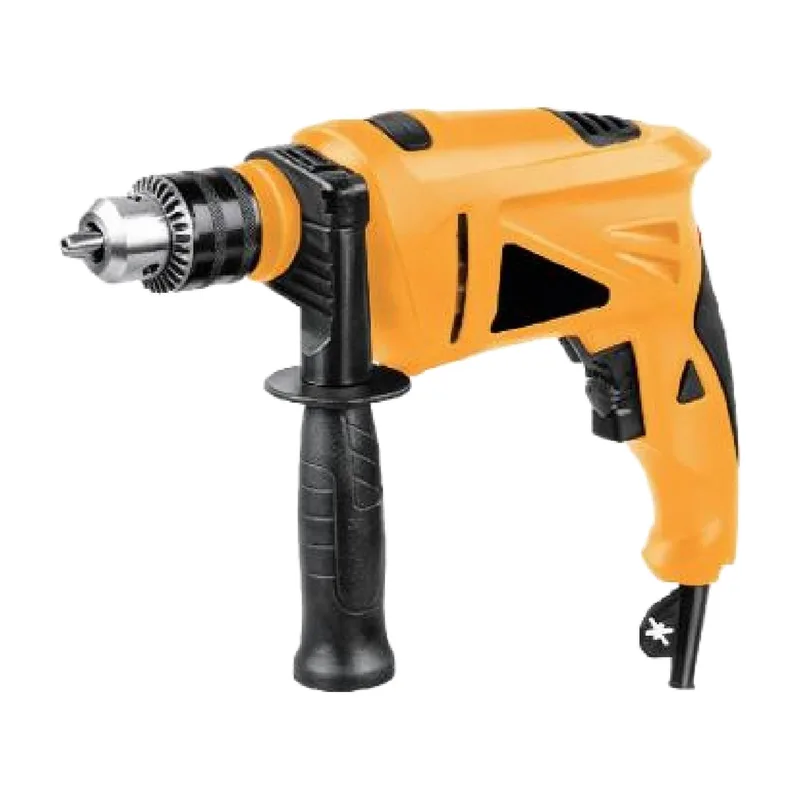
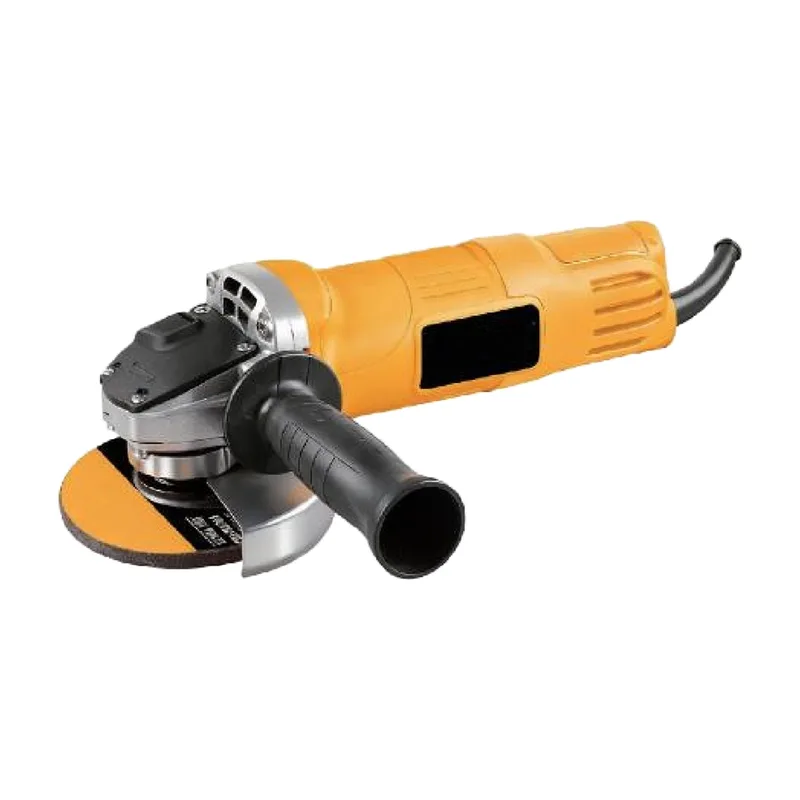
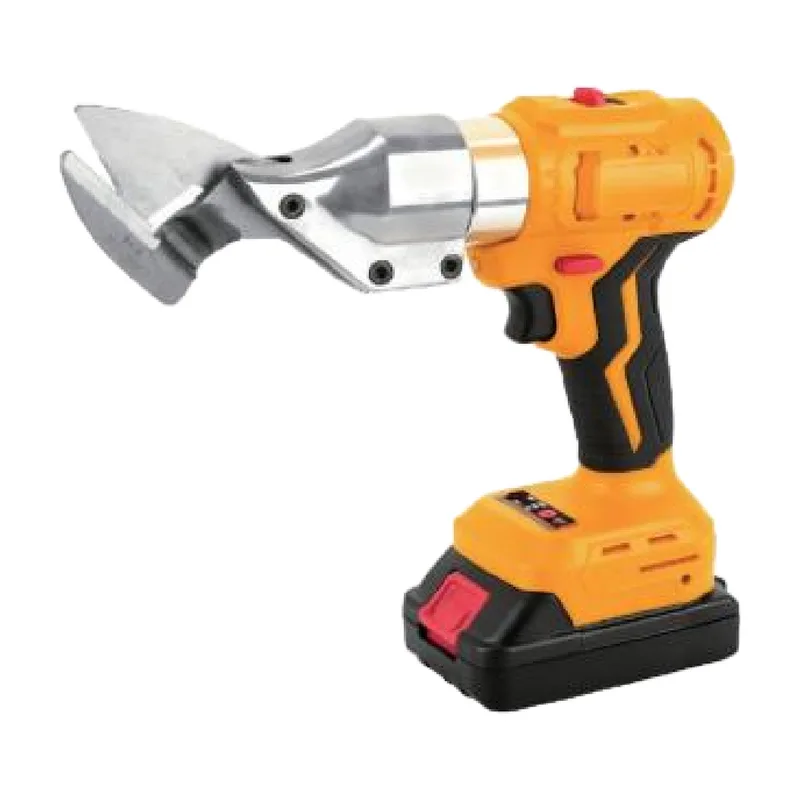
Ready-to-ship product series related to this article
In a year of keyword research across six power equipment lines, one number frames the whole OEM decision: 30–50% of brand-plus-category searches in drills and grinders are Milwaukee, Dewalt, Makita and Bosch variants (Google Trends, worldwide, retrieved 2026-09-17). The retail shelf is a brand war, and an importer who fights it with borrowed brands fights on someone else’s margins. The searches that belong to you — "oem power tools", "power tool manufacturer", "private label power tools" — are the ones that end in your own name on the housing.
This guide walks the full path: what OEM actually changes on a power tool, the six phases from first inquiry to a loaded container, the documents that protect each step, and the pitfalls that cost importers their first order. It is written for hardware importers, tool distributors and brand builders ordering from factory suppliers in the AD-series power tool programme.
OEM in this trade is precise about what moves and what stays:
That split is deliberate. A custom motor is a development project with tooling costs and certification exposure; a custom brand on a proven platform is a merchandising project with a 30–45 day production clock. The 200+ SKUs across drills, grinders, hammers and saws in the power tools catalogue exist so your brand work starts from machines that already hold their specs.
A note on terms: "OEM" and "private label" are used interchangeably in most markets. If your programme goes further — tune the spec sheet, re-engineer a kit — that is still configuration work within the same process below, agreed at order confirmation.
Total, a first order lands around two to three months end to end — sampling is the phase worth slowing down; every phase after it inherits the standard the sample set.
An RFQ that gets a precise quotation contains three things: the target models or categories (for example "800 W-class angle grinders, 115 mm"), the destination market (voltage, language for labeling, certification destination), and realistic volumes — even ranges. Vague inquiries get catalog answers; specific ones get spec sheets with rated power, no-load speed, chuck or disc size, accessories, packing dimensions, G.W./N.W. and carton QTY per model.
Read the returned spec sheets as the first quality signal: complete packing data and stated tolerances are how a supplier that ships containers writes; missing fields are how one that ships samples writes.
Samples exist to convert marketing claims into a physical reference standard. Per shortlisted model, verify the sample against the written spec sheet — not against the listing image: rated power and speed on the label, chuck or disc geometry, switch feel, runout by eye against a straightedge, accessory fit, and the exact case and contents if you are ordering a set.
Two rules that save first orders: approve the sample you will actually reproduce (the second unit off the line, not a polished showroom unit), and keep the approved sample as the arbitration reference for final inspection. If colors matter, approve under daylight, not warehouse LED.
The purchase order freezes four layers:
Artwork is the classic delay source. Approve every language version in writing before production starts; every post-approval change costs days on a 30–45 day clock.
Production for confirmed orders typically runs 30–45 days. What separates programmes that land clean is milestone reporting: photo and video at housing molding and printing (your color, verified against the approved sample), at assembly, and at packing. Inline QC catches a color drift at day 10; final inspection alone catches it at day 40 — after the container is booked.
Inline quality work sits at three gates, and it is worth knowing which gate catches which defect class:
Ask your supplier how these three gates are documented — the answer, more than any certificate folder, tells you what the 3,000 units behind sample one will look like.
The inspection plan for power tools has four stations:
| Station | What is checked |
|---|---|
| Functional sampling | Units drawn from finished sealed cartons run and switch-checked |
| Spec verification | Label figures against the spec sheet — power, speed, voltage |
| Contents audit | Accessories and set contents against the approved contents list |
| Packing and labeling | Carton QTY, G.W., marking, language versions, barcode scans |
Either your own inspector, a third-party agency, or a documented factory inspection report with photographic evidence — the arrangement is flexible; the standard is that the approved sample is the referee.
Sets and cased tools are voluminous freight: the loading plan is carton math — CBM and carton QTY per model against the container — and it is planned at order confirmation, not improvised at the warehouse. Final documents: packing list and commercial invoice reflecting actual loaded counts, plus the export paperwork your market requires. For destination-market certification, the technical file assembled during the order (spec sheets, test references, labeling artwork) is what your certification body will ask for — keep it versioned.
An OEM order that ends well is an order whose paper trail was designed at confirmation, not reconstructed in a dispute. The working set:
None of this is bureaucratic decoration. Each document maps to a specific failure mode: the spec sheet to spec substitution, the sample record to inspection disputes, artwork approvals to labeling errors, the packing list to shortage claims, the technical file to certification delays.
The calendar discipline that keeps an OEM programme sane is simple: fix the on-shelf date, and walk every deadline back from it.
A first order therefore lands two to three months end to end — sampling included. Repeat orders compress sharply: artwork exists, samples are approved, the spec sheets are referenced by revision. The expensive part of OEM is the first lap around the process; the second is mostly production and freight.
Every destination scheme — CE and CB for Europe and the Gulf, SASO/SABER for Saudi Arabia, SONCAP and PVoC for West and East Africa, EAC for the Eurasian customs union — certifies the brand owner’s product, with the factory as the documented manufacturing site. The working split: you run the certification relationship; the supplier provides the technical file inputs — spec sheets, component declarations, samples for testing, and coordination with your testing body. It is a cleaner structure than inherited certificates, and it scales with your brand instead of a supplier’s.
The practical first step is small: two or three target models, your market, and rough volumes — that is enough for spec sheets and a quotation, and sampling follows from there. Send it through the inquiry form or WhatsApp, and the AD-series programme team will answer with the exact spec sheets, the OEM scope for your brand, and a realistic calendar to your port.