Tool Specs & Selection2026-09-229 min read
Circular Saw Buying Guide: Blade Sizes & Spec Checklist
AmperTool Sourcing TeamSourcing & OEM Team
Part of the Tool Specs & Selection series
Part of the Tool Specs & Selection series
How to read power tool spec sheets and choose the right series for your market
Ready-to-ship product series related to this article
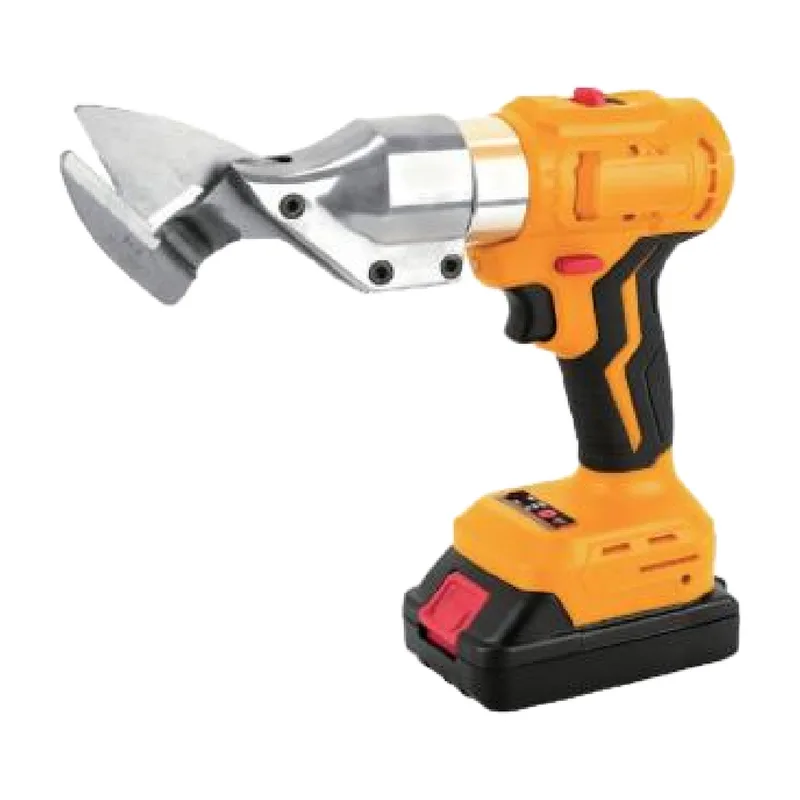
Rotary hammer or hammer drill? Mechanisms, SDS-Plus vs SDS-Max tooling and concrete duty compared, so importers stock the right drill line.
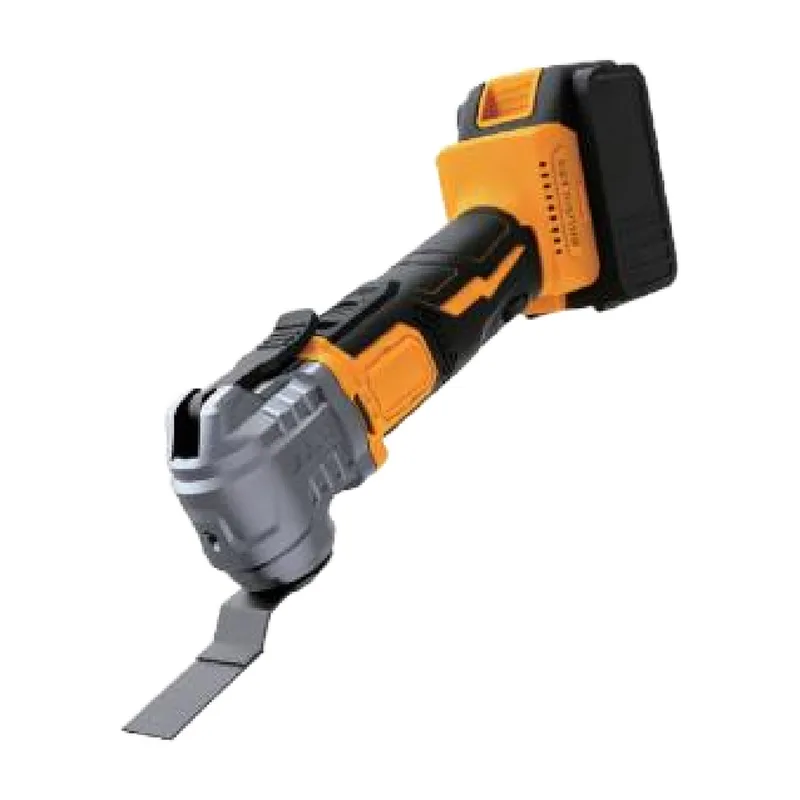
Joules, blow rate, concrete diameter class, chisel modes: every rotary hammer spec number explained, and how to match machines to trades.
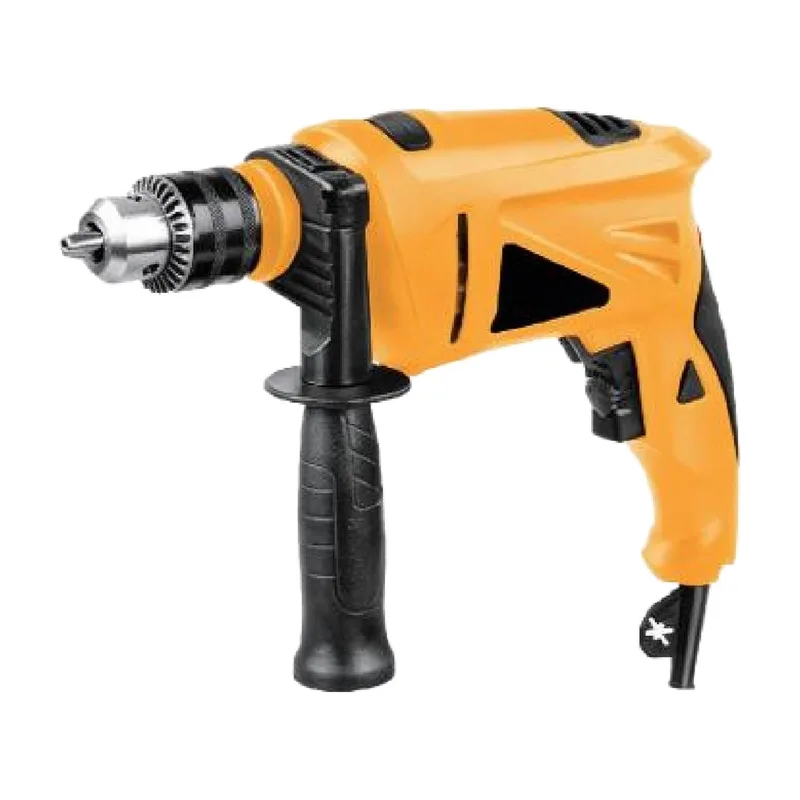
Corded impact drill or cordless driver? Power, masonry ability, runtime economics and battery lock-in compared, to stock the drill mix your market buys.
In the whole power-tool search landscape we researched, the single highest-volume term is not a machine — it is "circular saw blade" (Google Trends, worldwide, retrieved 2026-09-17). Buyers learn fast what carpenters know from the first week: the motor spins, but the blade decides the cut. Around that term sits a healthy machine market — "best circular saw" up about 20% year over year, "electric circular saw" about 180%, with "mini circular saw" (+130%) and "compact circular saw" (+200%) rising fast at the small end (same source).
This guide walks the circular saw spec sheet the way the category actually behaves: blade first, then the machine numbers, then the assortment logic for carpentry and formwork channels.
| Class | Role | Typical buyer |
|---|---|---|
| 140–150 mm | Trim, panelling, one-handed work | Fitters, second saw for crews |
| 185 mm (7-1/4") | The mainstream: sheet goods, framing, formwork | Carpenters, formwork crews |
| 210 mm and above | Deep rip, beams, production cutting | Joinery shops, timber yards |
The 185 mm class is the volume position almost everywhere: it cuts typical sheet and framing thickness in one pass, handles well overhead and on sawhorses, and replacement blades are the cheapest of any size. The mini/compact trend (+130–250% in rising terms) is real but serves a different buyer — DIY, trim, small-work — and is a shelf experiment, not a replacement.
The blade does the quality work, and its spec card has three fields:
Blades also have a maximum rpm rating that must meet or exceed the machine speed — the same safety logic as grinder discs.
| Buyer situation | Recommended class |
|---|---|
| Formwork and framing crews | 185 mm, 1,200 W class, rip fence |
| Furniture / sheet-good work | 185 mm with fine-tooth blade emphasis |
| Trim and light fitting | 140–150 mm compact class |
| Joinery / beam work | 210 mm and above |
| DIY shelf experiment | Mini / compact class per demand |
The working saw wall: two or three 185 mm SKUs across the power band (one sharp price point, one trade-spec with rip fence and dust port), one compact class for trim buyers — and then the rail that pays for it: blades. A small ladder of 24/40/60-tooth carbide blades in the right bore, plus reducing rings, converts every machine sale into a consumable relationship; our TIANLY cutting-disc line anchors the same logic for the angle grinders beside them. The electric circular saw range (AD-25178 to AD-25188, rip and crosscut machines for wood and sheet materials) ships with factory spec sheets covering every field above, under the power tools OEM programme — housing colors, kit configuration, packaging and labeling, samples before volume. Tell us the carpentry-to-formwork split in your channels, and we will size the saw and blade mix to match.