Compliance Navigation2026-09-257 min read
SASO & SABER: Saudi Certification Guide for Power Equipment
AmperTool Sourcing TeamSourcing & OEM Team
Part of the Compliance Navigation series
Part of the Compliance Navigation series
Certification pathways for importers — CE, SASO, SONCAP, EAC and PVoC — and the documentation a compliance-ready supplier provides
Ready-to-ship product series related to this article
Saudi Arabia is the Gulf’s largest hardware and equipment market, and it runs one of the region’s most systematic import gates: every regulated product consignment is checked against conformity certificates on the SABER platform before release at any Saudi port. For importers planning generator or power tool programmes, "saso certification" and "saber" are not marketing searches — they are logistics planning queries, asked months before a booking.
This guide explains how the system actually fits together for power equipment: which certificates apply, who obtains them, what they cost in published ranges, how long they take, and where the factory’s responsibility ends and yours begins.
| Product line | Saudi route | Notes |
|---|---|---|
| Engine generators | SABER PCoC + SCoC; IECEE recognition increasingly applied | SASO has been expanding the IECEE list to engine-driven machines — verify your model class before ordering |
| Power tools (drills, grinders, saws) | SABER PCoC + SCoC | Regulated under electrical safety regulations built on IEC standards for hand-held tools |
| Electric water pumps (to 5 hp) | IECEE recognition certificate route | Long-standing entry on the SASO IECEE list — relevant if your programme spans categories |
| Unregulated items | SCoC only | Low-risk goods outside technical regulations skip the product certificate |
Two structural facts shape every plan. First, certificates belong to the importer of record — two importers shipping the identical generator each run their own certificates. Second, SASO periodically expands the IECEE list (household appliances, pumps and more have been added across recent updates), so a category that needed only a SABER certificate last season can move to the IECEE route — check the current list with your certification body each season.
One more matrix note that matters for hardware importers: real consignments are mixed. A container combining generators, power tools and pumps is cleared only when every product line in it carries its required certificate path — which is exactly why the route-determination step below is worth doing across the whole assortment before the first booking, not model by model as shipments pile up.
Fee figures below are published platform and agency ranges, not quotations — retrieve and confirm with your chosen certification body at planning time.
(Published fee guides and conformity-body documentation, retrieved 2026-09-25.)
The budgeting insight is structural: the PCoC is annual and per product, the SCoC is per shipment — so consolidation economics matter. Fewer, better-chosen SKUs with higher shipment frequency carry meaningfully lower certification friction than a wide scattered assortment.
All accredited bodies issue the same certificates on the same platform, so the practical differences are elsewhere: familiarity with your product category (a body that runs generator programmes weekly reads your technical file faster than one meeting it for the first time), the readability of their fee schedule, responsiveness during the laboratory phase, and whether they can hold your renewal calendar across years. Two working habits from importers who run clean programmes: get the route opinion and fee schedule in writing before committing, and keep the same body across renewals — the accumulated file knowledge is real switching cost in your favour.
Saudi conformity is importer-owned by design. The reliable division of work:
You (the importer) own: the SABER account, the certification-body relationship, the applications, the fees, and the certificate validity calendar.
The factory provides: complete spec sheets per model, samples for testing, component and material documentation, labeling artwork coordination, and responsive answers to the certification body’s technical queries.
Compliance-ready OEM supplier — we support your certification (CE/CB/SASO) with specs, samples, and documentation. No certification logos are claimed on products: the certificate your market trusts is the one issued to your name, and that is the structure Saudi customs is designed around.
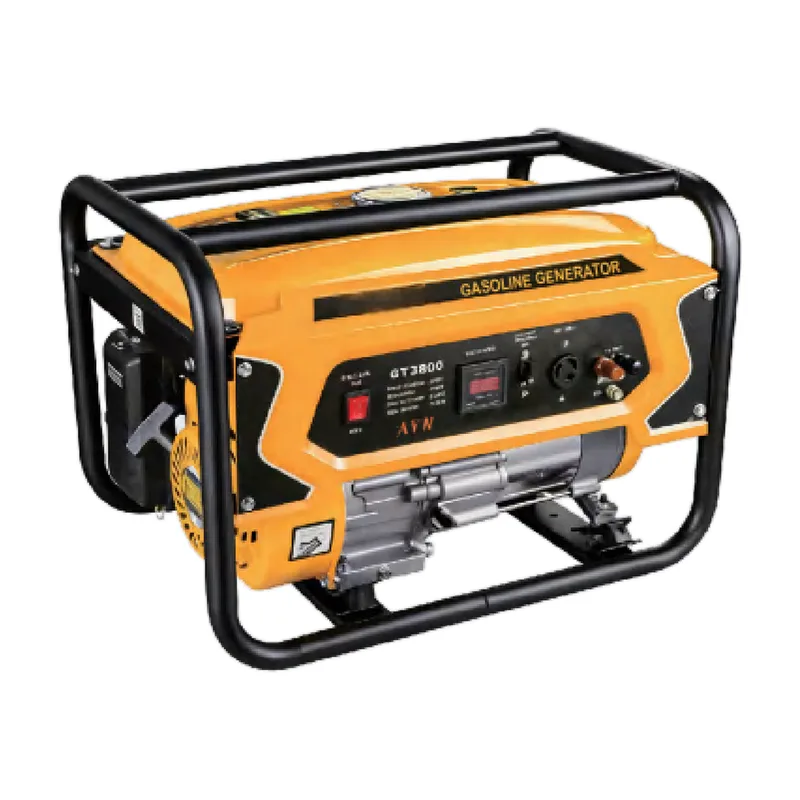
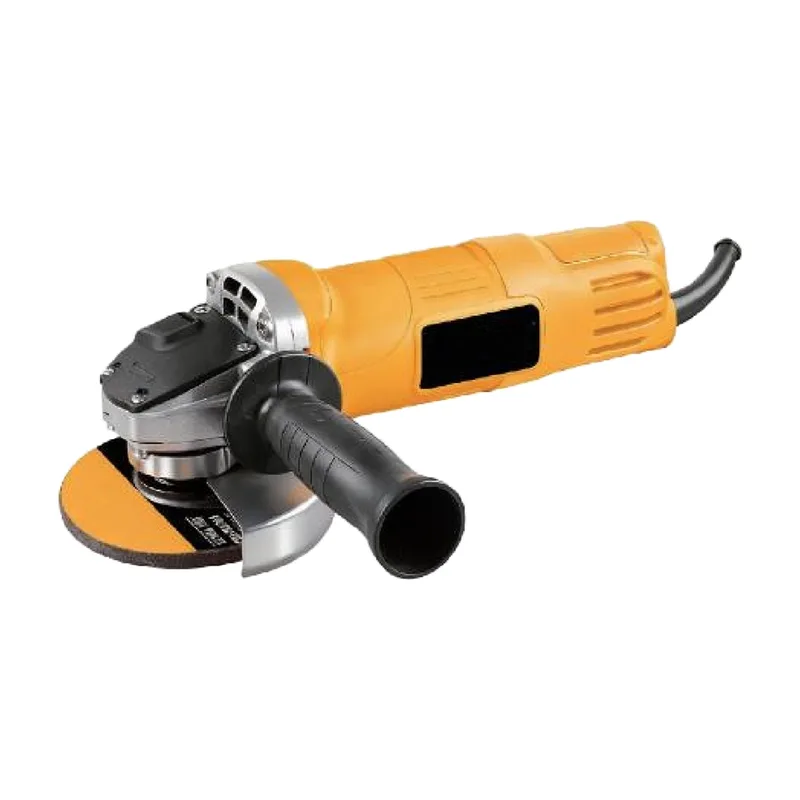
For a generator-led programme into Saudi, certification planning and product selection are the same conversation: the gasoline generator line ships with the documentation baseline your certification body will ask for — full spec sheets, packaging data and samples — and the silent generator guide covers the product class Saudi buyers most often specify. For tool programmes, the same structure applies across the power tools catalogue, from angle grinders to drills. Bring your target models and your certification body’s requirement list, and the generators and power-tools programme teams will assemble the documentation package on your timeline.